Source Indoor Electric Led Lighting Ball for Stage, Dance, and Film
Find 30 indoor electric led lighting ball options for stage, dance, and film applications. Compare DMX512 control, IP44 ratings, and various ball sizes from 20mm to 35cm. Source reliable entertainment lighting with CE and RoHS certifications for professional events; compare the available evidence and request quotations based on your requirements.
Key considerations
Products List








Comprehensive Sourcing Guide
Indoor Electric LED Lighting Ball Sourcing Guide
Procurement professionals must first distinguish between static decorative units and motorized rotating systems when sourcing indoor electric LED lighting balls. The observed market data indicates a clear split between compact 20mm and 50mm ball units designed for specific effects, and larger 12cm to 35cm rotating mirrors intended for stage and film applications. Buyers should verify whether the required product is a simple pixel-controlled light source or a complex winch system capable of vertical hoisting, as the technical requirements and safety protocols differ significantly between these two distinct categories.
The application scope extends beyond general stage lighting to include dance effect lighting and film production environments where dynamic movement is essential. While some units operate as standalone dimming lights with minimal power consumption, others function as part of a larger DMX-controlled network requiring specific channel configurations. Sourcing teams must align their selection with the intended venue size and control infrastructure, ensuring that the chosen ball diameter and lifting height capabilities match the physical constraints of the installation space and the desired visual impact.
Product Scope and Observed Listing Signals
Buyers should carefully analyze the listed power ratings and voltage specifications to ensure compatibility with existing venue infrastructure. The market presents units ranging from low-power 0.72W and 0.9W DC12V or DC15V models to high-intensity 100W systems. It is critical to confirm the exact voltage requirement before ordering, as mismatched power supplies can lead to immediate equipment failure or safety hazards. The observed data suggests that smaller decorative balls often utilize lower voltages, whereas larger rotating stage units typically demand higher power inputs to drive both the LED array and the rotation motor simultaneously.
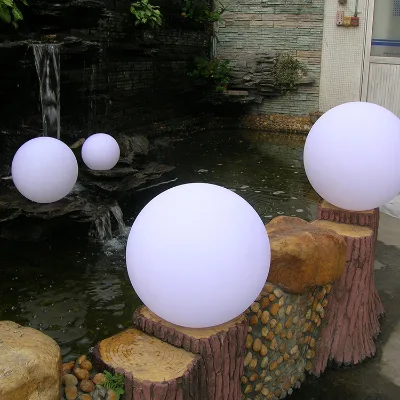
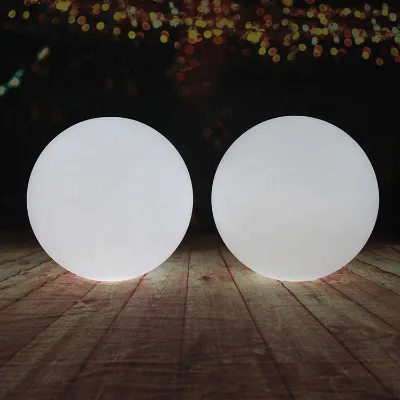
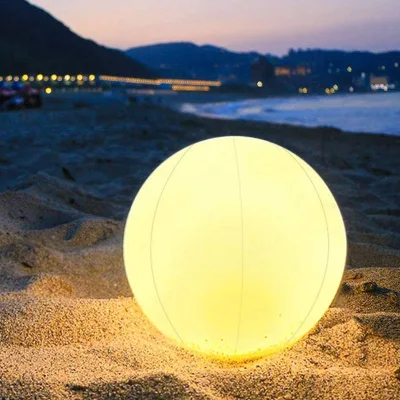
The physical dimensions and customization options available in the listings provide significant flexibility for unique event requirements. Standard ball diameters observed include 20mm and 50mm for compact applications, while larger rotating mirrors are available in sizes ranging from 12cm to 35cm, with some suppliers offering fully customized dimensions. Procurement teams should verify if the standard sizes meet their design needs or if a custom order is necessary, noting that customization may impact lead times and minimum order quantities. The housing materials, typically PC with milky or transparent finishes, also influence light diffusion and should be selected based on the desired aesthetic effect.
Technical Specifications to Verify
Technical due diligence must focus on the LED configuration and control protocols to ensure seamless integration with event lighting consoles. The observed products frequently utilize Epistar or European chips with RGB SMD5050 LEDs, offering a wide color spectrum for dynamic effects. Buyers must verify the pixel count and control channel requirements, as some units operate with single-pixel control while others require 9-channel DMX512 setups for advanced color mixing and movement patterns. Confirming the control mode, whether DMX, Master/Slave, Auto, or Sound-activated, is essential for matching the product to the venue's existing control infrastructure.
The mechanical performance and environmental resilience of the lighting ball are equally critical for reliable operation in demanding indoor environments. Key specifications to validate include the rated life of 50,000 hours, the operating temperature range of -20°C to +50°C, and the IP rating, which varies from basic dimming capabilities to IP44 protection for dust and water resistance. For rotating units, the lifting height capability, ranging from 0-7m to 0-12m, and the maximum hanging weight of 1-2kg must be strictly verified against the venue's rigging points. Additionally, the presence of fall protection mechanisms, such as physical braking and electronics protection, is a non-negotiable safety feature for any suspended lighting equipment.
Compliance and Safety Documentation
Safety compliance is paramount when sourcing equipment that involves electrical components and mechanical movement, particularly for suspended installations. The observed listings frequently cite CE and RoHS certifications, which indicate adherence to European safety and environmental standards. Procurement teams must request valid certification documents for every batch purchased, ensuring that the specific model numbers match the provided certificates. While CCC certification is also observed, buyers should verify if this is required for their specific market or if the CE and RoHS marks are sufficient for their local regulatory requirements.
Documentation regarding the installation and operational safety of the lighting ball must be comprehensive and clearly accessible. Buyers should require detailed manuals that cover vertical hoisting procedures, connector types such as 3-pin or 5-pin XLR, and specific instructions for the silence motor operation. The warranty terms, typically observed as one year, should be clearly defined in the purchase agreement, outlining coverage for both the LED components and the mechanical motor assembly. Ensuring that the supplier provides clear safety guidelines for fall protection and electrical connections is essential to mitigate liability and ensure the safety of the installation crew and event attendees.
Cost Drivers and Commercial Terms
The final cost of an indoor electric LED lighting ball is heavily influenced by the complexity of the motor system and the customization level of the product. Units with advanced features like silent motors, high lifting heights, and customizable ball diameters command higher prices compared to standard static models. Buyers should anticipate a wide price range, from under $1 for basic components to over $2,000 for fully customized, high-capacity rotating systems with integrated winches. Understanding these cost drivers allows procurement teams to budget accurately and prioritize features that deliver the highest value for their specific event needs.
Commercial terms, including minimum order quantities and packaging requirements, vary significantly across different product categories and suppliers. The observed MOQ ranges from 1 unit to 1,000 units, offering flexibility for small-scale events while accommodating large-scale productions. Packaging options, such as box packing, carton cases, or flight cases, also impact the overall cost and logistics planning. Buyers should negotiate packaging that ensures safe transport, especially for delicate components like the mirror balls and motors, and clarify whether the shipping costs are included in the quoted price or billed separately.
Supplier Qualification and Quality Control
Supplier qualification should prioritize manufacturers with a proven track record in the entertainment lighting sector, specifically those located in established manufacturing hubs like Shenzhen and Guangzhou. The observed data indicates that reputable suppliers often highlight their use of high-quality chips and stable motor technology, claiming industry-leading reliability. Buyers should verify the supplier's production capacity and their ability to maintain consistent quality across large orders, as the stability of the lighting effect is crucial for professional stage and film applications.
Quality control processes must be rigorous to ensure that every unit meets the specified performance standards before shipment. Buyers should request pre-shipment inspection reports that verify the LED brightness, color consistency, and motor rotation smoothness. The observed emphasis on "the most stable in the industry" suggests that suppliers should provide evidence of their testing protocols, including burn-in tests and functional checks for the dimming and control features. Establishing a clear quality assurance agreement that defines acceptable defect rates and remediation procedures is essential for maintaining the integrity of the procurement process.
Long-Term Procurement Checks
Establishing a long-term relationship with a supplier requires regular performance reviews and ongoing quality assurance checks. Buyers should monitor the reliability of the lighting balls over time, tracking any issues related to LED degradation, motor failure, or control signal loss. The observed rated life of 50,000 hours provides a benchmark for expected performance, but real-world usage conditions may vary. Regular audits of the supplier's production lines and quality control records help ensure that the product quality remains consistent over multiple procurement cycles.
Future-proofing the procurement strategy involves staying informed about technological advancements and evolving industry standards. As the market for indoor electric LED lighting balls continues to evolve, buyers should maintain open communication with suppliers regarding new features, such as improved dimming capabilities or enhanced safety mechanisms. Keeping a detailed record of product specifications, warranty claims, and performance data allows procurement teams to make informed decisions when renewing contracts or expanding their inventory. This proactive approach ensures that the lighting solutions remain effective and compliant with the latest industry requirements.
FAQs
What applications suit indoor electric LED lighting balls for stage use?
These LED balls are designed for stage, dance effect, and film and television lighting applications. They work as entertainment lighting fixtures mounted vertically or lifted into position. Buyers typically deploy them in performance venues, clubs, and broadcast studios where dynamic decorative effects and DMX-controlled dimming sequences are required for the production environment.
Can the LED ball size and lifting height be customized?
Yes, customization is available. Ball sizes are offered in 12, 15, 20, 25, 30, and 35 centimeter diameters, and lifting height can range from 0 to 7 meters or 0 to 12 meters depending on the model. Discuss your venue ceiling height and effect requirements with suppliers before ordering, since customized dimensions may affect lead time and pricing.
What control modes do these DMX winch LED ball lights support?
The lights support DMX512, master/slave, auto, and sound-activated control modes, with control through DMX or software. Units use 9 control channels and accept 3-pin or 5-pin XLR connectors in and out. Dimming is 0 to 100 percent linear, which allows smooth fades during choreographed sequences when the fixtures are linked into a larger lighting system.
What safety features are built into the lifting winch system?
Fall protection combines physical braking with electronic protection, and the winch can lift hanging weights of 1 to 2 kilograms. Installation is vertical hoisting using a silence motor for quiet operation. Confirm the rated lifting height and load requirements for your venue, and verify the 1-year warranty terms cover the motorized lifting mechanism before purchase.
What certifications should I verify before ordering these lights?
Listed products carry CE, RoHS, and CCC certifications, which cover electrical safety, hazardous substance restrictions, and China market compliance. Request copies of valid certificates from suppliers and match them to the exact model you intend to order. Certification requirements differ by destination market, so confirm which marks your importing country requires before finalizing the purchase.
How durable are the LED sources under stage conditions?
The lights use Epistar RGB SMD5050 LEDs with a rated life of 50,000 hours and a working condition range from minus 20 to plus 50 degrees Celsius. Housing is milky or transparent PC material, and some models carry an IP44 rating. Operating life depends on duty cycle and environment, so review housing and rating details against your venue conditions.